
NDIS Housing Options Explained: SIL, SDA, ILO, MTA and STA
Five funded ways to put a roof and support together, what each one actually covers, and how to work out which combination fits your life.
17 August, 2026 · 5 min read
The short answer
The NDIS funds five main ways to put housing and support together: Supported Independent Living (SIL), Specialist Disability Accommodation (SDA), Individualised Living Options (ILO), Medium Term Accommodation (MTA) and Short Term Accommodation (STA). Only one of them, SDA, has anything to do with the building itself; the rest fund support, time, or both.
Families usually meet these five as a wall of acronyms at a planning meeting, so this article does the untangling once, properly. Each option below covers what it funds, who it suits, and the trap people most often step in.
SIL: the support roster inside a home
SIL pays for support workers rostered through a home, often shared with one or two housemates, sometimes solo. It covers help with the daily business of living: personal care, cooking, medication, routines, and overnight support where the evidence backs it. It does not pay the rent, and it does not care who owns the house.
SIL suits people who need support across most of the day, most days. If that is your situation, the practical questions become about the home itself and the people in it, which is why we tell families to spend their energy on the home visit rather than the paperwork. The common trap: assuming SIL includes housing costs. It never does, and we wrote a separate plain-English piece on who pays for what in SIL.
SDA: the building, for a small group with very high needs
SDA is a payment for the dwelling itself: homes built or heavily modified for people with extreme functional impairment or very high support needs. Think hoist provision, reinforced ceilings, backup power for medical equipment, fully accessible bathrooms. The NDIA pays the SDA amount straight to the housing provider; the resident pays a set rent contribution.
Fewer than one in twenty participants qualify for SDA, so it is the exception, not the default. Most people in SIL homes live in ordinary, well-chosen houses without SDA funding attached. If you are weighing the two, our comparison of SIL versus SDA goes deeper.
ILO: support wrapped around an arrangement you design
An Individualised Living Option funds a package of support built around where and how you already want to live: with a host family, with a chosen housemate who provides agreed support, or in your own place with a mix of formal and informal help. The NDIA funds ILO in two stages, first the exploration and design work, then the support package itself.
ILO suits people who need meaningful support but not a full rostered household, and who care most about choosing exactly who they live with. The trap is timing: designing an ILO takes months of genuine work, so it rewards families who start early rather than those needing a home next fortnight.
MTA and STA: the bridge and the breather
Medium Term Accommodation covers a place to live for up to 90 days when your long-term housing is funded but not ready, most often the gap between hospital discharge and a home that suits. It exists so nobody stays in a hospital bed, or returns to an unsafe situation, while the right house is found.
Short Term Accommodation, which many families still call respite, funds short stays away from your usual home, typically up to 28 days across a year used in blocks, as at August 2026. A weekend a month, or a fortnight while a parent has surgery. STA is also the quiet hero of housing decisions: a short stay in a supported home is the closest thing to a test drive before anyone commits.
The everyday options still count
Plenty of participants rent privately, live in social housing, own a home or stay with family, with in-home supports funded around them. The NDIS treats housing as an everyday cost for almost everyone, so the mainstream paths stay open and often make the most sense, especially when paired with solid in-home support.
The honest way to choose is to start from the week you want, not the acronym. Write down what a good Tuesday looks like, count the hours of help it takes, and the right structure usually names itself. If the answer involves a supported home, you can see real ones, with photos, locations and current openings, on Find a Home.
Frequently asked questions
Does the NDIS buy or rent houses for participants?
No. The NDIS funds support in a home (SIL, ILO) and, for a small group with very high needs, a payment toward a specialist dwelling (SDA). Rent and everyday housing costs stay with the participant, usually paid from the Disability Support Pension plus Commonwealth Rent Assistance.
Can you have SIL without SDA?
Yes, and most people do. SIL is support in any suitable home, owned or rented from anyone. SDA is a separate payment for a specialist building, and only a small minority of participants qualify for it. You can hold either one without the other, or both together.
What is the difference between STA and respite?
They are the same funding. Short Term Accommodation is the NDIS name for what families have always called respite: short supported stays away from your usual home, typically up to 28 days a year used flexibly, as at August 2026. It covers accommodation, support and food during the stay.
How long can you stay in Medium Term Accommodation?
Generally up to 90 days, as at August 2026. MTA is a bridge for people whose long-term housing solution is confirmed but not yet ready, most commonly between a hospital stay and moving into a suitable home. It is not a way to fund ordinary rent.
Want to talk this through for your situation?
More from the blog.
-
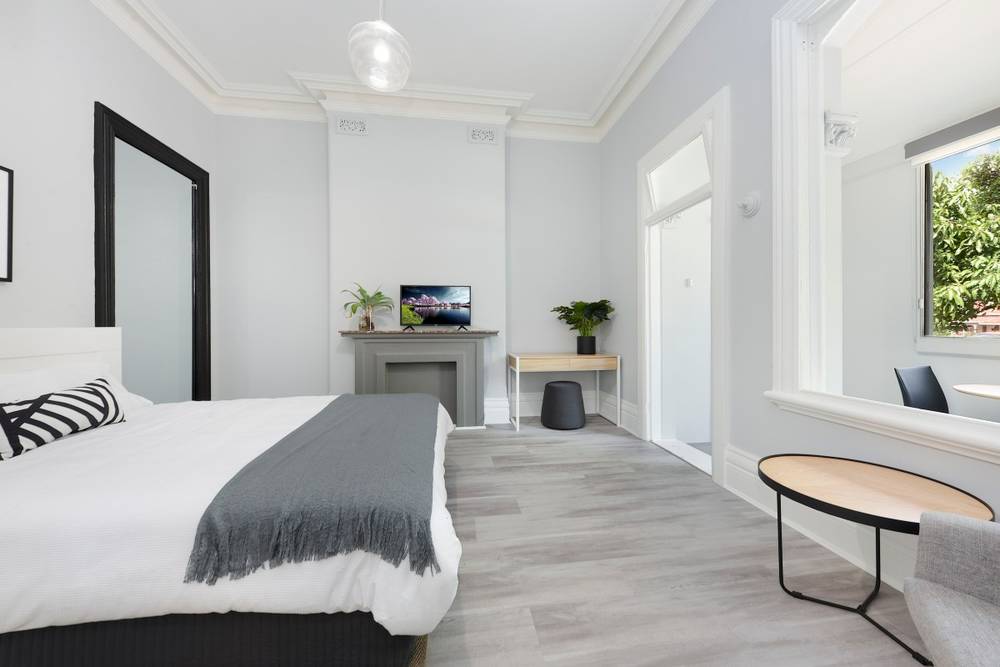
How to prepare for your first SIL home visit
A visit answers the things a brochure cannot: how the house feels, who you would live with, and what a normal Tuesday looks like. Here is how to get real answers out of one.
Read article -
NDIS Accommodation Explained
There is no single thing called NDIS accommodation. There are five arrangements, funded from different parts of your plan and judged against different tests. Here is what separates them.
Read article -

SIL Handbook Part 8: Staying Involved
After the move, a parent stops being the roster and becomes a parent again. What to hand over, what to keep, and how to stay useful without running the house.
Read article
Let's find your place.
Speak with our team about vacancies, supports or day programs.