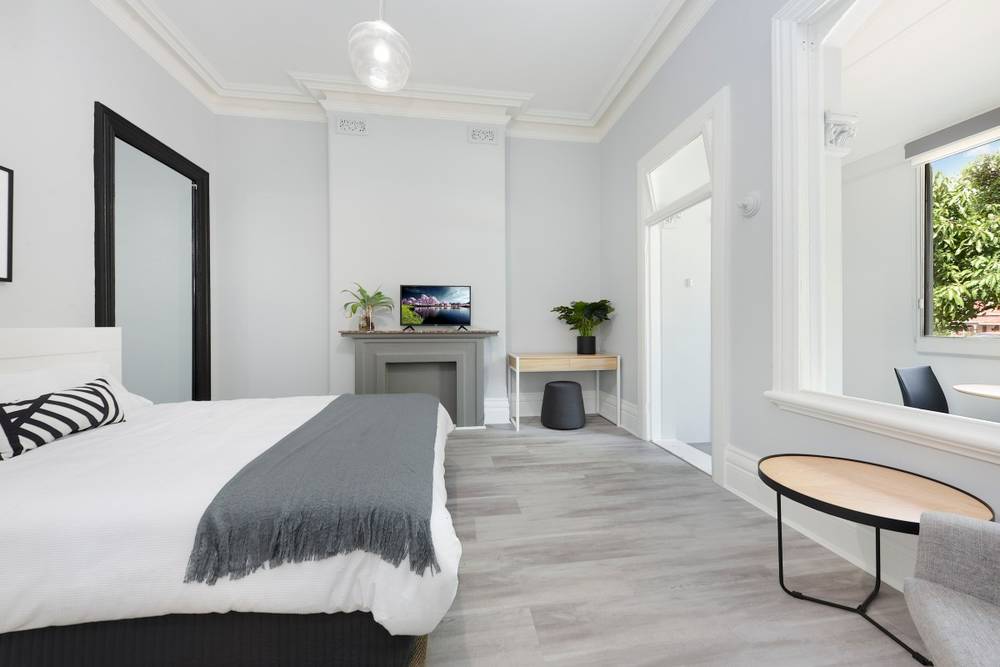
How to prepare for your first SIL home visit
A visit answers the things a brochure cannot: how the house feels, who you would live with, and what a normal Tuesday looks like. Here is how to get real answers out of one.
20 March, 2026 · 5 min read
What a visit tells you that a listing cannot
Listings tell you the number of bedrooms and the suburb. A visit tells you whether the house is noisy at four in the afternoon, whether the other residents seem settled, and whether the staff talk to people or about them.
That last one is the single most useful thing you will observe, and nobody will ever write it down for you.
Bring the people who help you decide
Family, a friend, your support coordinator, an advocate: bring whoever you would normally talk a big decision through with. A second set of eyes notices what you miss, and comparing impressions afterwards is where the real assessment happens.
If someone who matters cannot come, ask whether you can visit twice. A provider that treats that as an imposition has told you something.
What to look at in the house itself
Walk the route you would actually take. Bedroom to bathroom at night. Front door to the street. Kitchen to the table.
- Can you get where you need to go without asking for help you do not want to ask for?
- Is there somewhere to be alone that is not your bedroom?
- Where would your own furniture and photographs go?
- What is outside, and can you use it?
- How far are the shops, the station, the bus stop?
Light and noise matter more than people expect, and they are the two things photographs flatten completely.
What to notice about the people
You are choosing housemates as much as a house. Ask who lives there now, how long they have been there, and what they like doing. If residents are around and willing, talk to them rather than about them.
Watch how staff move through the house. Do they knock? Do they know what people take in their tea? We wrote about how much say you get over who you live with in choosing your housemates in SIL.
The questions that get real answers
Ask specific things. General questions get general answers.
- What does a normal Tuesday look like here, hour by hour?
- Who are the regular workers, and how often do they change?
- What happens overnight, and is someone awake?
- How are house decisions made when people disagree?
- What happened the last time a resident was unhappy about something?
That final question is the one worth asking everywhere. The answer tells you how the house handles the ordinary friction of people living together, which is the thing you will actually live with.
Ask about money before you fall in love with a house
Rent and support are separate, and mixing them up is the most common source of unpleasant surprises later. Ask what the rent is, what it includes, and what the household contribution covers. In most shared homes residents contribute to shared groceries and utilities on top of rent.
If the home is SDA enrolled, ask about the Reasonable Rent Contribution, which is worked out differently from ordinary rent. Four of the homes we list are SDA enrolled: Narellan and Campbelltown, plus Granville and Blacktown, where Manora Living is the SDA provider and AllCare provides Supported Independent Living. The other eight are not, and the money works differently in each case. Our SDA homes in Sydney page compares the four.
None of this should be vague. A provider that cannot tell you clearly what you will pay each fortnight has told you something about how the house is run.
What happens if you want to move in
Nothing happens quickly, and that is usually to your advantage. A match is normally discussed with the existing residents, because they live there and it is their home too.
Expect a conversation about your support needs, a look at whether the roster in the house can cover them, and some back and forth with your support coordinator about funding. Weeks rather than days is normal.
If a provider offers you a bed the same afternoon with no questions about your support needs, treat that as a warning rather than good service.
Go at a time that tells you something
A mid-morning visit shows you an empty, tidy house. That is the least informative time of day to see one.
If you can, ask to come late afternoon or early evening, when people are home, dinner is happening and the house is doing what it normally does. You will learn more in twenty minutes then than in an hour at eleven on a Tuesday.
Weekends are different again, and usually quieter. If you are choosing between two homes that both seemed fine, seeing one of them at a second time of day is often what breaks the tie.
After the visit
Write your impressions down the same day, before the houses blur together. Two homes a week apart become one composite memory faster than you would think.
There is no obligation attached to a visit and no limit on how many you do. Our vacancies are listed on the find a home page, and if you want to talk through what you saw, call 1300 219 811.
Frequently asked questions
How many homes should I look at before deciding?
There is no right number, but seeing at least two gives you something to compare against. A single visit tells you whether you like a house. A second tells you which things were specific to that house and which are normal everywhere, which is much more useful.
Can I visit more than once?
Yes, and it is worth doing if someone important could not make the first visit or if you saw the house only at one time of day. Mornings and evenings feel very different in a shared home. A provider that makes a second visit difficult has answered a question you did not have to ask.
What if I do not like it when I get there?
Say so, or say nothing and leave. A visit carries no obligation at all. Not liking a house is information rather than a failure, and being clear about why helps whoever is helping you search narrow down what you are actually looking for.
Should I meet the other residents?
If they are home and willing, yes. You are choosing housemates as much as a building, and five minutes of conversation tells you more about daily life in the house than any tour. Nobody should be made to meet you, so take the lead from them.
Want to talk this through for your situation?
More from the blog.
-
A Shared House or Your Own Unit With Support?
Same funding, different building. A shared house puts support in the hallway; a self-contained unit brings it to your door. What each one actually changes.
Read article -
What a High Physical Support SDA Home Includes
High Physical Support is the SDA design category built for very high support needs. Here is what that means room by room, and what it does not cover.
Read article -

Making the Weekly Shop a Skill, Not an Errand
The weekly shop is already in the roster. Done with someone rather than for them, it teaches money, planning and choice without costing an extra hour.
Read article
Let's find your place.
Speak with our team about vacancies, supports or day programs.