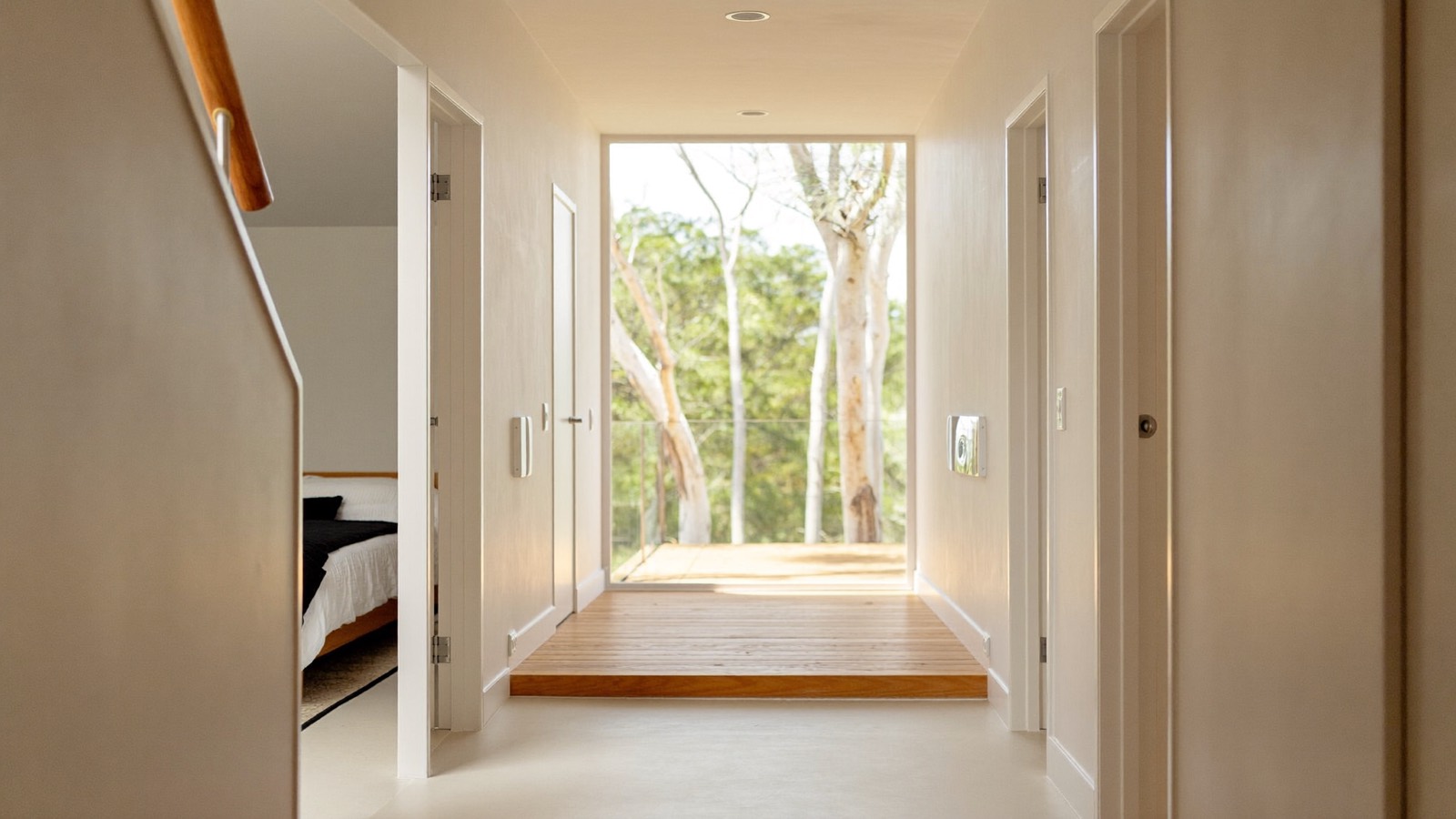
What a High Physical Support SDA Home Includes
High Physical Support is the SDA design category built for very high support needs. Here is what that means room by room, and what it does not cover.
31 August, 2026 · 4 min read
It is a building category, not a support package
High Physical Support is one of four Specialist Disability Accommodation design categories, alongside Improved Liveability, Fully Accessible, and Robust. It describes how the house is built. It says nothing at all about who works there or how many hours of support somebody receives, which is a separate decision and a separate part of a plan.
That separation catches families out constantly. Somebody is told they have been approved for High Physical Support SDA and assumes the staffing comes with it. It does not. The building is funded as SDA and paid to the housing provider; the support in it is funded as Supported Independent Living or another arrangement. The two are deliberately kept apart, and we explain why in the housing options guide.
Walking through one
The front approach is level or gently graded, with no step at the threshold and enough hardstand to get a wheelchair-accessible vehicle in and out with the ramp down. Doors are wide, and the width you notice most is the circulation space beside them, because a large powered chair needs room to turn and approach a doorway square, not just to fit through it.
Inside, corridors are generous and the floor is continuous. The bedroom is sized so a chair can get to both sides of the bed and so two workers can stand either side of it during a transfer, which is a bigger footprint than most people picture. Ceilings and the structure above them are built to carry a hoist, either with track already installed or with the reinforcement in place so a track can be added without opening up the roof.
The bathroom is the room that gives the category away. It is a wet area with no hob and no shower screen to work around, space for a shower commode chair to be positioned and turned, reinforced walls where grab rails and supports need to fix into something solid, and clearance for a worker on each side. A basin and bench that can be used seated, and in some homes adjusted for height, are part of the same thinking.
Then there is the part you cannot see. High Physical Support homes include a backup power arrangement for essential equipment, because a ventilator, a powered bed or a hoist becoming useless in an outage is a safety issue rather than an inconvenience. Provision for assistive technology and for communication and monitoring equipment is built in rather than retrofitted with extension leads.
What it does not include
It does not include your support workers, your therapy, your equipment or your consumables. It does not include rent, which participants in SDA still pay from their own income as a reasonable rent contribution, or food, power and phone. The SDA payment covers the dwelling.
It also does not guarantee the house suits the person. Two homes can both be built to this category and feel completely different: one is a two-bedroom villa in a quiet street with a courtyard, the other a five-bedroom group home twenty minutes from anyone the person knows. The design standard is a floor, not a description of a life. Location, housemates, transport and the provider delivering the support matter at least as much, which is why a visit beats a floor plan. Our list of questions worth asking the staff on a visit is written for exactly that.
Frequently asked questions
Who is High Physical Support SDA designed for?
People with very high physical support needs who require significant help with everyday activities, often including hoist transfers, and who may rely on equipment such as powered wheelchairs, powered beds or ventilators. Eligibility for SDA funding at any design category is decided by the NDIA on the evidence in a person's plan, not by a provider or a builder.
Is High Physical Support the same as Fully Accessible?
No, though they overlap. Fully Accessible covers homes designed for people with significant physical impairment. High Physical Support sits above it and adds features such as structural provision for ceiling hoists, backup power for essential equipment and greater space for assistance, which is why it is priced differently.
Does SDA funding pay for my support workers?
No. SDA pays the housing provider for the dwelling. The support delivered inside it is funded separately, usually as Supported Independent Living, and the two are assessed and priced independently of each other. It is possible to have one without the other, and plenty of people do.
Do I still pay rent in an SDA home?
Yes. Participants living in SDA pay a reasonable rent contribution from their own income, typically calculated from the Disability Support Pension and Commonwealth Rent Assistance, plus their own everyday living costs such as food, electricity and phone. SDA funding covers the building, not the ordinary costs of living in it.
Want to talk this through for your situation?
More from the blog.
-
NDIS Housing Options Explained: SIL, SDA, ILO, MTA and STA
Five funded ways to put a roof and support together, what each one actually covers, and how to work out which combination fits your life.
Read article -
How to prepare for your first SIL home visit
A visit answers the things a brochure cannot: how the house feels, who you would live with, and what a normal Tuesday looks like. Here is how to get real answers out of one.
Read article -
What Are High Intensity Supports at Home?
High intensity supports are daily supports that carry clinical risk, so the worker has to be trained and signed off for that exact task. Here is how they work.
Read article
Let's find your place.
Speak with our team about vacancies, supports or day programs.