NDIS Accommodation Explained
There is no single thing called NDIS accommodation. There are five arrangements, funded from different parts of your plan and judged against different tests. Here is what separates them.
13 March, 2026 · 5 min read
There is no single NDIS housing support
People ask what NDIS accommodation is as though it were one thing. It is five, and they are funded differently, assessed differently, and suit very different situations. Getting the names straight is most of the battle in a planning meeting.
The five you will hear about are Supported Independent Living, Specialist Disability Accommodation, Individualised Living Options, Medium Term Accommodation and Short Term Accommodation. Only two of them are about a permanent home.
SIL funds the support, not the house
Supported Independent Living pays for a roster of staff in a shared home. Two to five residents usually share that roster across the day, with one-to-one time carved out for what cannot be shared.
It comes from your Core budget and it does not pay rent. You pay rent to whoever owns the property, exactly as any tenant would. Most people with SIL live in ordinary housing, because the need being met is a support need rather than a physical one. We set out the money split in who pays for what in SIL.
SDA funds the house, not the support
Specialist Disability Accommodation pays for the building itself: the accessible bathroom, the ceiling hoist, the wider doorways, the reinforced walls. The money goes to whoever owns and maintains the dwelling.
It comes from your Capital budget and the test is deliberately high: extreme functional impairment or very high support needs, properly evidenced. Only a small fraction of participants are ever funded for it. If your bathroom needs a grab rail, that is home modifications, not SDA.
Every SDA dwelling is enrolled against a design category, which tells you what the building is built to do. Four of the homes we list are enrolled SDA, all with Onsite Overnight Assistance: Narellan and Campbelltown are High Physical Support houses, Granville is four High Physical Support villas, and Blacktown has High Physical Support apartments. In Granville and Blacktown, Manora Living is the SDA provider and AllCare provides the support. All four are on our SDA homes in Sydney page.
ILO starts from how you want to live
Individualised Living Options asks the opposite question to SIL. Instead of finding a vacancy that suits you, it designs a support arrangement around where and how you have decided to live: alone with drop-in support, with a housemate you chose, or in a host arrangement.
It counts what your own network already does, which is a real advantage where someone has a strong circle around them and a real limitation where they do not. We compare the two directly in SIL vs ILO.
MTA and STA are temporary by design
Medium Term Accommodation funds a place to stay when your long-term home is not ready yet, commonly while an SDA build finishes or a discharge is arranged. It is measured in weeks and months.
Short Term Accommodation, which people still call respite, funds a stay of up to 14 days at a time, including the support during it. It exists to give everyone a break, including the people who care for you unpaid.
The question nobody asks early enough: who owns the house?
If your landlord and your support provider are the same organisation, changing your support means moving house. That is a large amount of leverage to hand to one company, and it is the most common reason people stay with support they are unhappy with.
The NDIS moved away from that arrangement deliberately. Keeping the two separate means you can change provider and keep your home, or move and keep your workers. It is a fair question to ask any provider before you commit, and the answer should come easily.
It matters most in SDA, where the housing provider and the support provider are usually different organisations by design, and it is worth checking in SIL too.
What actually decides which one you get
Your plan does, and the plan follows the evidence in front of the planner. Support needs point to SIL. The physical environment being the barrier points to SDA, usually alongside SIL. Wanting to shape the arrangement yourself points to ILO.
The practical order is to get clear on which question you are answering, gather the reports that speak to it, and raise it with your support coordinator before the planning meeting rather than during it.
What the words mean when a planner uses them
Planning meetings move fast and the vocabulary is unforgiving. A few translations worth having ready:
- Home and living supports is the umbrella term covering all of the above.
- Reasonable and necessary is the test every support has to meet, and it is about your disability-related need, not your preference.
- Reasonable Rent Contribution is what you pay toward an SDA dwelling, separate from your support funding.
- Design category describes what an SDA building is built to do, from improved liveability through to high physical support.
- Onsite Overnight Assistance means the dwelling is set up for a worker to be there through the night.
You do not need to use the language perfectly. You do need to recognise it when it is used at you.
Where to start looking
Seeing a home in person settles questions that no brochure will. You can tour as many as you like, bring whoever helps you decide, and leave without committing to anything.
Our current vacancies sit on the find a home page, and you can call 1300 219 811 if you would rather talk it through first, including when the honest answer is that we are not the right fit.
Frequently asked questions
Can I have SIL and SDA at the same time?
Yes, and it is common for people with high physical support needs. They are funded separately from different parts of your plan, so one can be approved without the other. Being in an SDA dwelling does not automatically fund your support, and having SIL does not make SDA easier to get.
Does any NDIS housing support pay my rent?
No. SIL funds support only and you pay rent like any tenant. If you are funded for SDA you pay a Reasonable Rent Contribution toward the dwelling, commonly worked out as a share of the Disability Support Pension plus any Commonwealth Rent Assistance. Neither covers ordinary market rent.
What is the difference between MTA and STA?
MTA is for when your long-term home is not available yet, such as while an SDA build finishes, and runs for weeks or months. STA is short respite of up to 14 days at a time, including the support during the stay. MTA bridges a gap; STA gives everyone a break.
How do I ask for housing supports in my plan?
Raise it with your support coordinator before the planning meeting and bring evidence that speaks to the specific support. For SIL that means what daily help you need. For SDA it means reports showing extreme functional impairment or very high support needs. Vague requests get vague plans.
Want to talk this through for your situation?
More from the blog.
-
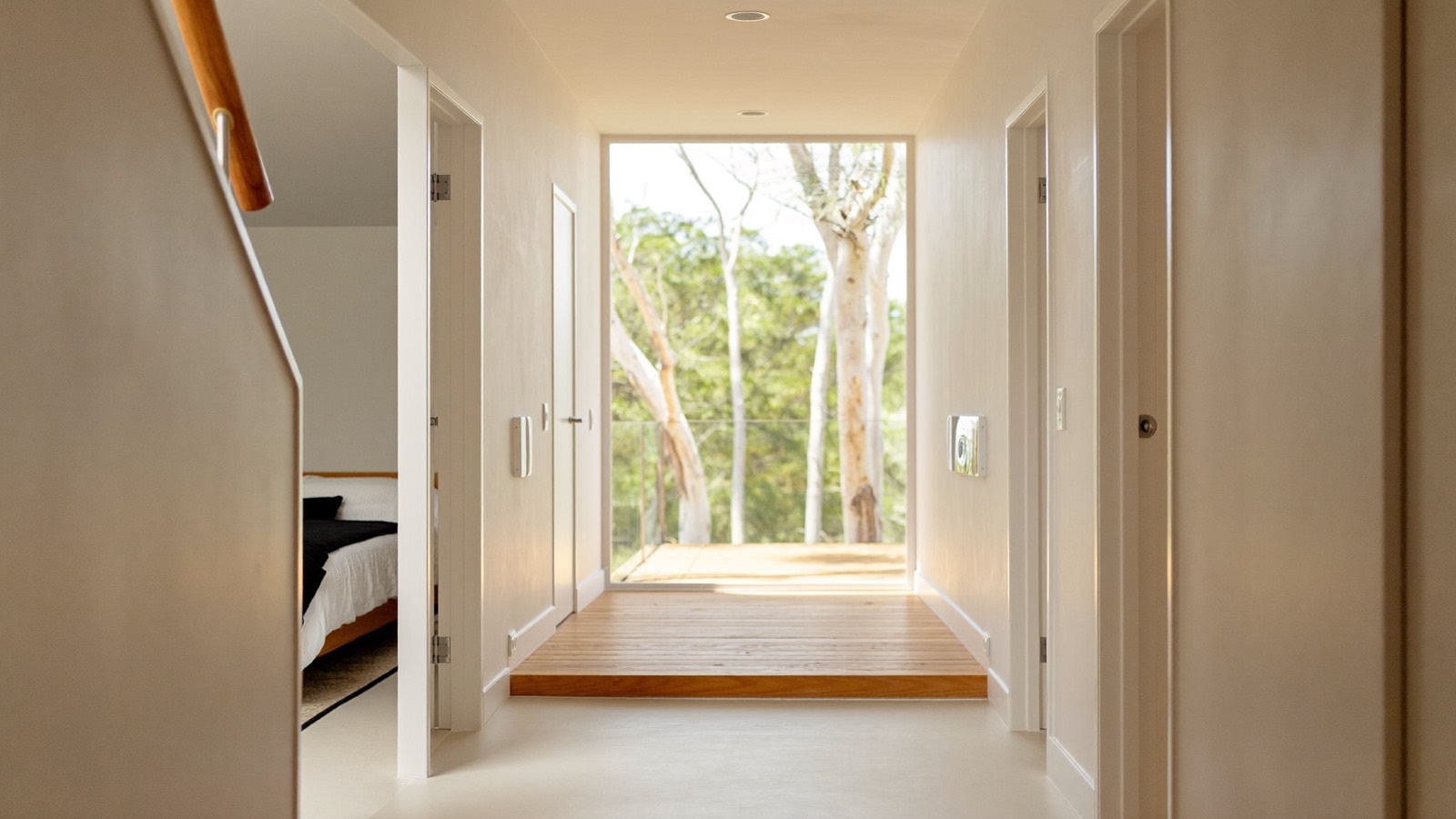
What a High Physical Support SDA Home Includes
High Physical Support is the SDA design category built for very high support needs. Here is what that means room by room, and what it does not cover.
Read article -
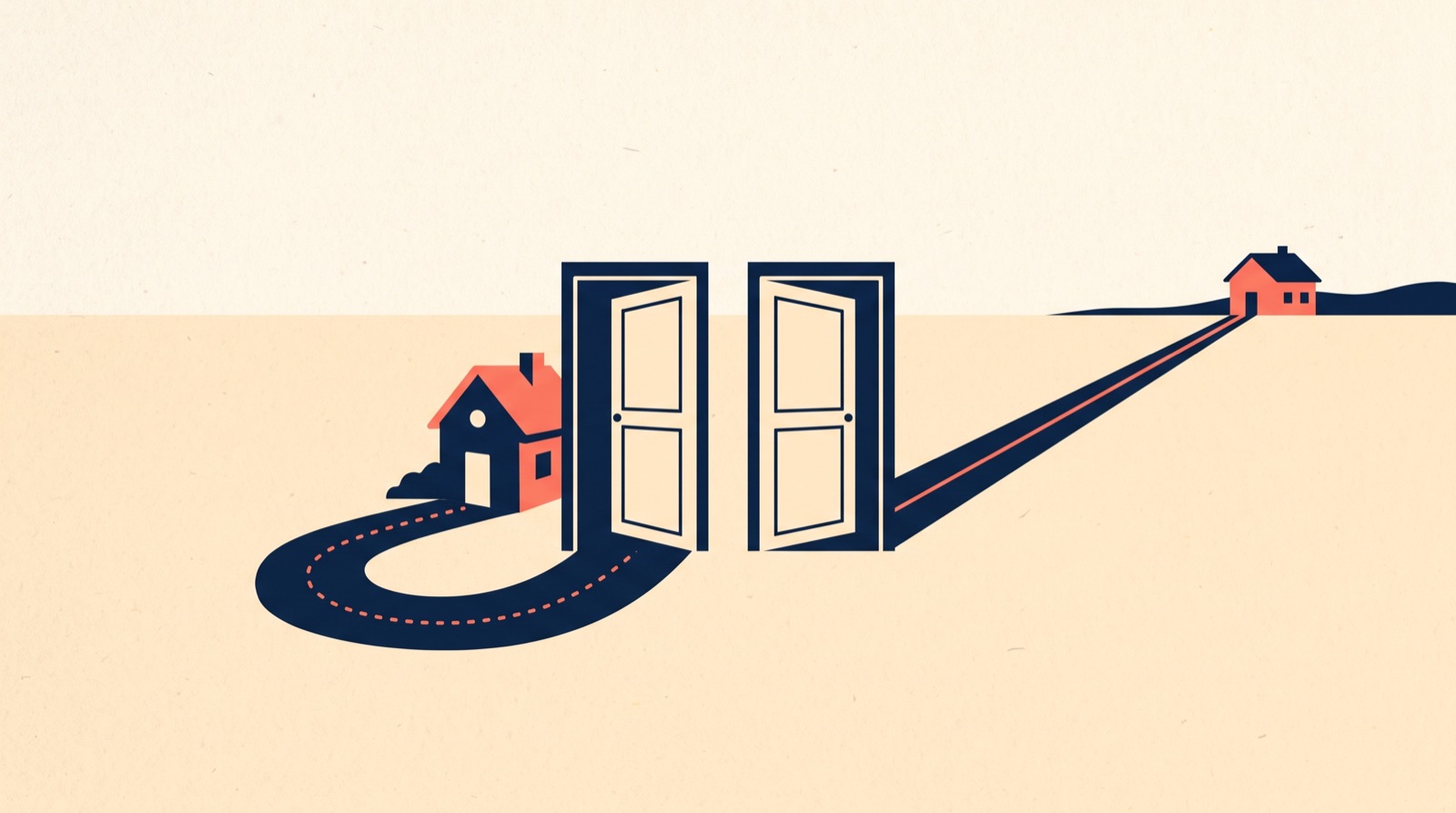
STA or MTA: Which Short Term Option Applies?
One question separates them: is there a home to go back to? STA covers a break from your usual home. MTA bridges a gap until a confirmed one is ready.
Read article -

What to Take to a Plan Reassessment Meeting
A short summary, your evidence, your spending and a list of what changed. What to bring to an NDIS plan reassessment, and what to leave at home.
Read article
Let's find your place.
Speak with our team about vacancies, supports or day programs.