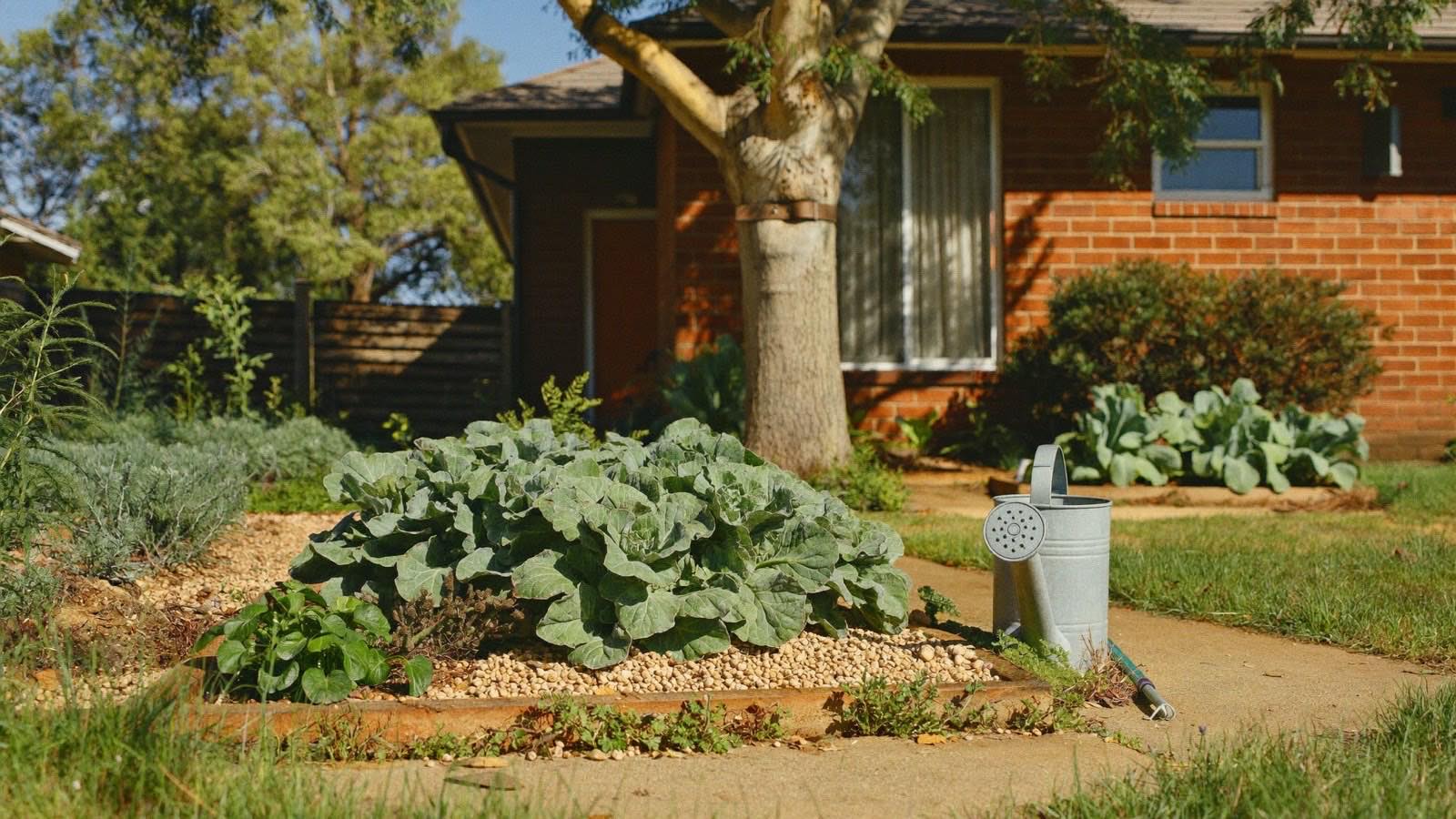
What Cleaning and Gardening Will the NDIS Fund?
The NDIS funds household tasks you cannot do because of disability, not a cleaner for the household. Here is where the line sits, and how to evidence it.
31 August, 2026 · 6 min read
The test is disability, not tidiness
The NDIS can fund help with cleaning, laundry, meal preparation and some yard work, and it funds them under household tasks in the Core supports part of a plan. What it is paying for is the gap between what a person can do and what their disability prevents them doing. It is not a cleaning service for the house, and it is not funding for tasks other adults in the home are perfectly able to do.
That distinction runs through every decision the NDIA makes here. A participant who lives alone and cannot safely reach a shower recess or push a vacuum is in a different position from a participant living with two working-age relatives who share the housework. Same disability, same house, different answer, because the question is what support the person needs, not what would make life easier for everyone under that roof.
Indoors: what usually sits inside the funding
Indoor household tasks are the most straightforward part. Vacuuming, mopping, bathroom and kitchen cleaning, changing bedding, laundry and hanging washing, dishes, and the tidying that stops a house becoming unsafe are all recognised supports where disability is the reason they cannot be done. Meal preparation sits alongside them, whether that is a worker cooking, or cooking together as a skill-building support.
The way the support is delivered changes which budget pays. A worker doing the task is assistance with daily life. A worker doing the task alongside someone so they gradually take it over is capacity building, and it is funded from a different part of the plan with a different intention behind it. Both are legitimate. It is worth being clear with a provider which one you are asking for, because the two produce very different weeks. Our piece on the types of NDIS supports sets out how the budgets divide.
Outdoors: a narrower door than most people expect
Yard work is treated more tightly than indoor cleaning, and families are often surprised by that. The NDIA looks at essential yard maintenance, meaning the work that keeps a property safe and habitable and that the participant is genuinely responsible for. Grass long enough to be a fire or snake risk, a path blocked by growth, overhanging branches over a doorway. That framing is quite different from garden upkeep as most people think of it.
What tends not to be funded is landscaping, planting for pleasure, seasonal garden projects, pruning that is about appearance, and any work that belongs to somebody else. If you rent, a lot of outdoor maintenance is the landlord's responsibility under the tenancy agreement. If you live in a strata property, the common areas belong to the owners corporation. The NDIS does not pay for work another party is already obliged to do, and it will ask.
Home maintenance is a separate matter again. Fixing a fence, repainting, replacing a hot water system and repairing a roof are the ordinary costs of having a home, not disability supports. Where a physical change to the house is needed because of disability, that is a home modification funded from the Capital budget through an assessment process, which we cover in how home modifications are funded.
Why a request gets knocked back
The most common reason is that the request reads as a lifestyle preference rather than a disability need. "I would like a fortnightly cleaner" invites a no. "I cannot kneel or bend to clean the bathroom floor, and I cannot lift a full laundry basket, so those two tasks do not get done" invites a conversation about hours.
The second reason is informal support. The NDIA counts the help that already exists in a household, and if a partner or an adult child is doing the housework now, the agency will factor that in. That is uncomfortable, and it is also why families should describe what is actually sustainable rather than what they have been coping with. An arrangement that only works because one person never gets a weekend off is worth saying out loud.
The third is that the task belongs to somebody else, as above, or that it is a shared household cost. A cleaner for a four-person household is not a disability support even if one of the four is a participant. The support is scoped to the participant's own areas and their share of the common ones.
Evidence that actually helps
The strongest material is specific and functional. An occupational therapist report that names the tasks, describes what happens when the person attempts them, and states what support is required carries far more weight than a general letter confirming a diagnosis. Photographs of a bathroom that cannot be reached from a shower chair, or a note about the fall that happened while hanging washing, do real work.
Keep it concrete and keep it dated. Two weeks of notes on which tasks did not get done, and why, is more persuasive at a planning meeting than a broad statement about needing help around the house. If you are preparing for a reassessment, our guide to writing evidence a planner can use covers the format that tends to land.
One practical point on rates. Household tasks are claimed against the NDIS Pricing Arrangements and Price Limits like any other support, so the hourly figure moves with the day and the time. A Sunday clean costs the plan more than a Wednesday one. Where the work does not need to be at a particular time, scheduling it midweek makes the same funding go further, and we set out how the rates behave in what in-home care costs per hour.
Frequently asked questions
Does the NDIS pay for a cleaner?
It can fund cleaning tasks you cannot do because of your disability, delivered as a household tasks support in your Core budget. It does not fund a general household cleaning service, and it does not cover cleaning that other capable adults in the home could do. The scope is your own needs and your share of shared spaces.
Will the NDIS mow my lawn?
Sometimes, where the yard work is essential to keep the property safe and habitable and the participant is genuinely responsible for it. Long grass that is a genuine hazard is a different case from garden upkeep for appearance. Landscaping, planting and decorative pruning are generally not funded, and neither is work a landlord or owners corporation must do.
What is the difference between household tasks and capacity building at home?
Household tasks means a worker does the task for you, funded from Core supports. Capacity building means a worker does the task with you so you take more of it on over time, funded from the Capacity Building budget. Ask a provider which one they are quoting, because the hours, the goals and the intention behind them differ.
Can the NDIS fund home repairs and maintenance?
No. Repairs, painting, fence replacement and general upkeep are ordinary home ownership or tenancy costs, not disability supports. Where a physical change to the house is needed because of disability, such as a ramp, a widened doorway or a bathroom modification, that is assessed separately as a home modification and funded from the Capital budget.
What evidence supports a request for help with cleaning?
A functional report, usually from an occupational therapist, that names the specific tasks, describes what happens when you attempt them and states the support required. Add dated notes over a fortnight showing what did not get done and why. Task-level detail is far more persuasive than a general statement about needing help around the house.
Want to talk this through for your situation?
More from the blog.
-
What Are High Intensity Supports at Home?
High intensity supports are daily supports that carry clinical risk, so the worker has to be trained and signed off for that exact task. Here is how they work.
Read article -

Questions to Ask Before Overnight Support Starts
Overnight support fails on the practical details, not the philosophy. Twenty-odd questions to ask a provider before the first night shift is rostered.
Read article -

How to Prepare for a Support Needs Assessment
An assessment is a structured conversation about what an ordinary day takes. Preparing properly means describing the average week, not the best one.
Read article
Let's find your place.
Speak with our team about vacancies, supports or day programs.