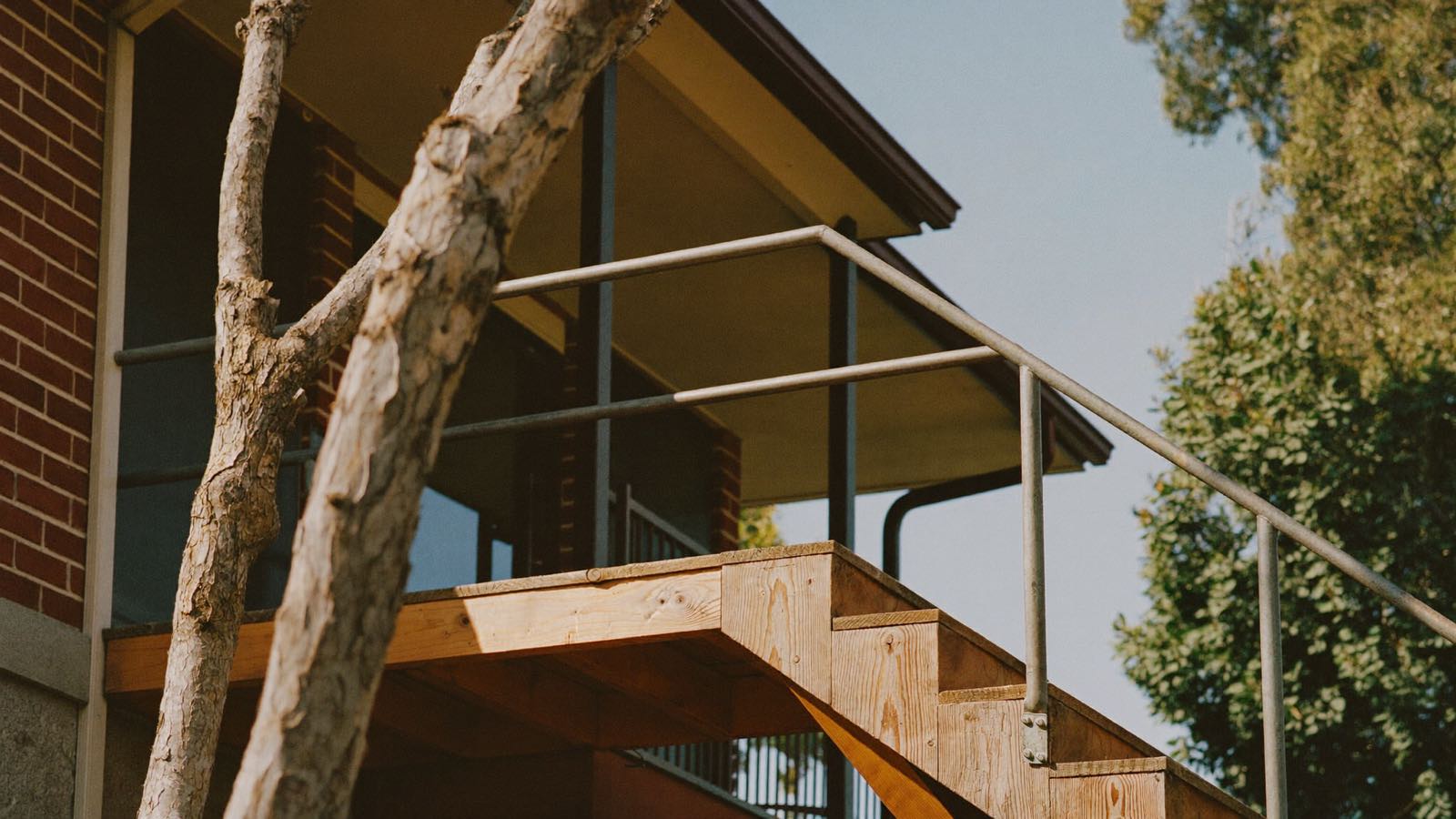
NDIS Home Modifications: From OT Report to Ramp
Home modifications are Capital supports and they follow a set order: OT assessment, quotes, NDIA decision, build. Here is each step and its timing.
24 August, 2026 · 6 min read
The order matters more than the paperwork
Home modifications are funded from the Capital supports budget, and the pathway runs in a fixed order: an occupational therapist assesses, the OT writes a report recommending specific works, quotes are obtained, the NDIA decides, and only then does anyone build anything. Skip a step and the whole thing usually restarts.
The single most common way this goes wrong is having the work done first and asking for funding afterwards. The NDIA does not reimburse completed works. If a ramp is already built, the money for it is gone.
Step one: the occupational therapist
The assessment is not a formality. An OT looks at how you actually move through the house, where the risk sits, and whether a modification is the right answer at all. Sometimes it is not: a piece of assistive technology, a different layout of furniture, or a change to how a support is delivered can solve the problem without touching the building.
The OT report has to do real work. It needs to describe the functional impact, explain why the proposed modification addresses it, and show that alternatives were considered. Reports that simply request a bathroom renovation without that reasoning are the ones that come back with questions.
If you do not have an OT, capacity building funding in your plan usually covers the assessment. A support coordinator can help you find one who does housing work specifically, which is a different skill set from a general OT caseload.
Minor versus complex, and why the split exists
The NDIA splits home modifications into minor and complex, and the difference decides how much scrutiny the request gets. Minor works are the smaller, lower-risk items: grab rails, a handheld shower, a step ramp, lever taps. Complex modifications involve structural change, such as widening doorways, reconfiguring a bathroom, or building a permanent ramp with engineering requirements.
Complex work brings extra requirements: a building practitioner, sometimes council approval, and a more detailed specification. It also takes longer, and the timeline is the thing families most often underestimate. Assessment, report, quotes, decision and construction is rarely a matter of weeks.
Both sit in Capital supports, which is not flexible. Capital money cannot be moved into Core, and Core cannot be moved into Capital. Our explainer on the types of NDIS supports sets out where each budget starts and stops.
The rented-home problem
Modifying a property you do not own needs the owner's written consent, and that is a genuine obstacle rather than a formality. Landlords can refuse. Some agree only if the property is returned to its original state at the end of the tenancy, which raises the question of who pays for that.
Start the conversation with the owner or agent early, in writing, with the OT report attached once you have it. A specific proposal with a professional recommendation behind it lands very differently from a general request to make changes.
If consent cannot be obtained, the practical answer is sometimes a different home rather than a different ramp. That is a hard thing to hear and it is better heard early. If a move is on the table, our page on finding a home is a place to start, and homes designed for access from the outset avoid the modification pathway entirely.
Quotes, decisions and the build
The NDIA generally wants quotes that match the OT's specification, item for item. A quote that describes different work from the report is the fastest way to a delay. Ask builders to price the specification rather than their own version of the job.
Once approved, the funding is stated to the specific modification. It cannot be spent on something else, even something sensible, and any change to scope during the build needs to go back for agreement rather than being absorbed.
Build in a plan for the disruption. A bathroom out of action for three weeks is a support problem, not just a construction one, and it is worth talking to your in-home support provider about how the routine works while the work happens.
What tends to make a request succeed
Evidence of functional need, written by a professional who has seen the house. A clear link between the problem and the proposed fix. Consideration of cheaper alternatives, addressed rather than ignored. Quotes that match the specification. Owner consent where it applies.
Decisions rest with the NDIA and turn on whether the modification is reasonable and necessary, which includes whether it is value for money and whether it is more appropriately funded by another system. None of that is within your control. The quality of the file is.
Frequently asked questions
Will the NDIS pay for a bathroom renovation?
It may fund modifications to a bathroom where an occupational therapist has evidenced that the change is needed for functional access, such as a level-entry shower or reinforced walls for rails. It does not fund general renovation, cosmetic upgrades or repairs. The decision rests with the NDIA against the reasonable and necessary criteria.
How long does an NDIS home modification take?
Plan for months rather than weeks, especially for complex works. The sequence of OT assessment, report, quotes, NDIA decision and construction each takes its own time, and complex modifications may also need building approvals. Starting the OT assessment well before a plan reassessment is the main thing within your control.
Can I modify a rental property with NDIS funding?
Only with the property owner's written consent. Some owners agree, some refuse, and some require the property to be restored at the end of the tenancy. Ask early and provide the OT report with the request, because a specific professional recommendation is far more persuasive than a general one.
What is the difference between minor and complex home modifications?
Minor modifications are lower-risk, non-structural items such as grab rails, a handheld shower or lever taps. Complex modifications involve structural change, such as widening doorways or reconfiguring a bathroom, and require a building practitioner and sometimes council approval. Complex requests carry more evidence requirements and longer timelines.
Want to talk this through for your situation?
More from the blog.
-
How Overnight Support at Home Actually Works
A worker stays in your home through the night, either sleeping and waking when needed or awake the whole shift. Here is what that looks like in practice.
Read article -

Can Family Be Paid to Provide NDIS Support?
Usually no. The NDIA treats family help as informal support and funds it only in exceptional circumstances. Here is what the exceptions look like.
Read article -

SIL Shared or Solo: Which Setting Suits You?
Shared SIL buys company and more support hours for the same money. Solo buys quiet and control. Here is how to work out which one fits.
Read article
Let's find your place.
Speak with our team about vacancies, supports or day programs.