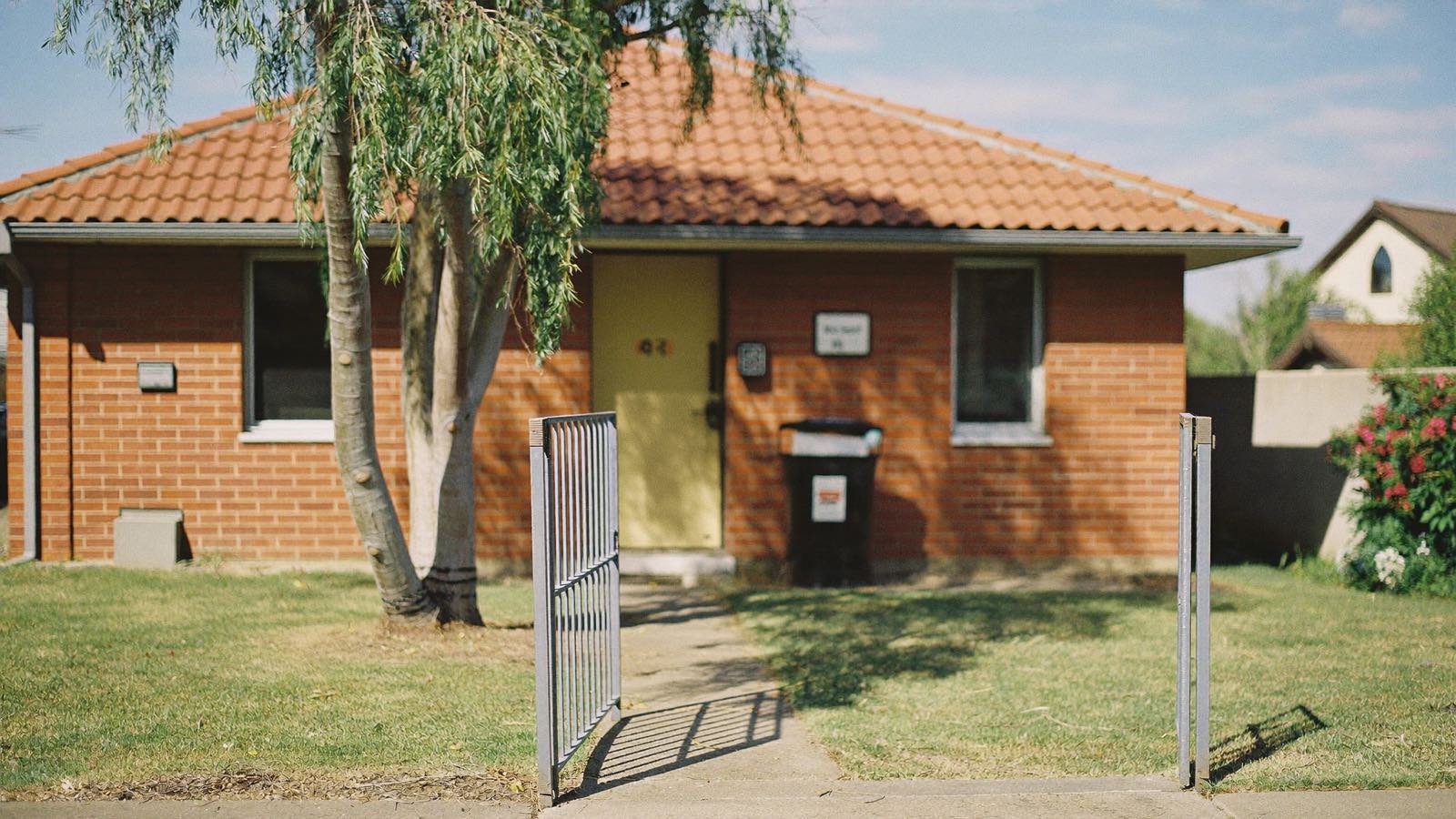
How to Find a SIL Vacancy: Where to Look
There is no single register of SIL vacancies. Here are the four places rooms actually surface, and what to ask before you tour.
20 August, 2026 · 5 min read
There is no central list, and that is the whole problem
Nobody publishes one complete register of Supported Independent Living vacancies in Sydney. The NDIA does not run one, and no single website has all of them. Rooms surface in four separate places instead, and families who only work one of the four are the ones who wait longest.
So the honest answer to how you find a SIL vacancy is that you work all four at once, and you accept that the good rooms move in days rather than months. What follows is the order we would work them in if we were doing it for our own family.
One: provider vacancy pages, checked for a date
Most established providers list their own vacancies. This is the fastest channel because there is no middle layer, and it is the only one where you can see the actual house before you speak to anyone.
The thing to look for is not the vacancy count. It is the date next to it. A page that says a number without saying when the number was checked is telling you nothing. Ours carries both, so you can see how stale the figure is when you read it. You can compare every open room across our homes on our Sydney vacancies page, and each area has its own page underneath it.
Ring anyway. Even a page updated this week can be behind a phone call, because a room gets held the moment a family says yes.
Two: your support coordinator's network, used properly
A support coordinator with a real South West Sydney caseload hears about rooms before they are advertised, because providers ring the coordinators they trust when someone gives notice. This is the single highest-value channel and the most commonly wasted one.
It gets wasted when the brief is vague. "Looking for SIL in Sydney" produces nothing. "Twenty-four year old man, needs his own bathroom, no overnight active support, wants to stay near Liverpool for his TAFE course, three housemates maximum, ready to move in six weeks" produces phone calls. Give your coordinator something specific enough to match against.
Three: national vacancy listing websites
Several independent websites let providers list vacant NDIS housing, and they are genuinely useful for scanning the market breadth in one sitting. Treat them as a discovery tool rather than a source of truth. Listings go stale, and the detail that decides whether a house suits somebody is rarely in the listing.
Use them to build a shortlist of providers to contact directly, then move to the provider's own page and phone number.
Four: ask directly, even when nothing is listed
This is the channel most families skip and it is the one that works when the market is tight. Providers keep informal waiting lists. If you ring a provider whose homes suit and say you want to be told when a room opens in a specific suburb, you get told.
It also lets you get the tour done before you are under pressure. Touring three houses calmly in October beats touring one house in a panic because a hospital discharge date landed.
What a vacancy listing does not tell you
A listing tells you a room exists. It does not tell you the four things that decide whether the person will still be happy there in two years.
Who the housemates are, and whether their support needs and routines fit alongside the person moving in. What the support ratio actually is overnight, which is a different question from how many staff are on during the day. What the rent and board add up to against a Disability Support Pension. And whether the provider that owns the support is also the landlord, which affects how easily you can change one without losing the other.
All four are questions you ask a human. Our list of questions to ask a SIL provider before you sign is built for exactly that conversation, and the funding side is set out in how SIL works in Sydney.
Move at the speed the market actually runs at
Have the practical paperwork ready before you find the room, not after. A current plan with SIL funding or clear evidence of the need, a recent functional capacity or occupational therapy report, and a one-page summary of the person's routine and support needs that you can email the same day.
Families who have that folder ready tour faster and get offered rooms first. Families who start assembling it after they find a vacancy usually watch that vacancy go to somebody else. That is not fair, but it is how a tight market behaves, and knowing it in advance is worth more than any listing site.
Frequently asked questions
Is there an official NDIS list of SIL vacancies?
No. The NDIA does not publish a register of SIL vacancies, and no single website holds all of them. Vacancies appear on individual provider websites, through support coordinators, on independent NDIS housing listing sites, and by direct enquiry to providers. Working only one of those channels is the most common reason a search stalls.
Do I need SIL funding in my plan before I look at homes?
Not to look, and touring homes early is sensible. You do need SIL funding in an approved plan before support can start, and funding decisions sit with the NDIA based on evidence of your support needs. Many families tour first, then use what they learned to describe the support they need more precisely in their evidence.
How quickly do SIL vacancies get taken?
In Sydney, a well-matched room can be held within days of being advertised, because providers hold it as soon as a family commits. That is why a dated vacancy page still needs a phone call, and why having your plan, recent reports and a one-page support summary ready beforehand genuinely changes the outcome.
Can I ask a provider to tell me when a room opens?
Yes, and you should. Providers keep informal waiting lists and will contact people who have asked to be told about a specific suburb or type of home. It costs you one phone call and it puts you ahead of families who only look at what is currently advertised.
Want to talk this through for your situation?
More from the blog.
-
What a SIL Roster of Care Actually Looks Like
A roster of care is the hour-by-hour table that prices SIL: who is on shift, at what ratio, and what happens overnight. Here is how to read one.
Read article -

SIL Handbook Part 5: Settling In for the Long Run
Part 5 of the SIL Handbook: how a supported home keeps working as needs change, what gets reviewed each year, and how goals stay live after settling in.
Read article -

Moving From a Regional Town for Supports
Families move to the city for thin markets, not for the city. What you gain, what you lose, and the questions worth settling before you go.
Read article
Let's find your place.
Speak with our team about vacancies, supports or day programs.