
Moving From a Regional Town for Supports
Families move to the city for thin markets, not for the city. What you gain, what you lose, and the questions worth settling before you go.
7 September, 2026 · 4 min read
Why the move happens at all
Almost nobody moves from a regional town to Sydney because they want to live in Sydney. They move because the support market at home is thin: one provider, or none, a therapist who visits monthly, and a vacancy that has not come up in two years.
That is a real reason and it is worth naming honestly, because it also tells you what the move has to deliver. If it does not fix the thin market, it has cost a lot for nothing.
What you actually gain
Choice, mostly. More providers means you can leave one without leaving the town. It also means allied health you can see this month, and a realistic chance of a vacancy in a shared home rather than a waiting list with no movement on it.
Transport is the other gain, and it is bigger than people expect. A suburb on a train line changes what a week can contain: a class, a job, a friend, an appointment, without needing a lift arranged three days ahead. Our guide to travel training on the T8 line gives a sense of how that is built up.
Specialist services concentrate in cities too. If someone needs a particular kind of clinician or a specific accommodation design, the options are simply not evenly spread.
What you lose, and what it costs to replace
The informal network. The neighbour who drops in, the cousin ten minutes away, the shopkeeper who notices when something is off. That network is unpaid, and in the city a lot of it has to be replaced with paid hours or not at all.
Cost of living is the obvious one, and rent is the sharp end. A room in Sydney against a house in a regional town is not a comparison anyone enjoys making.
The less obvious loss is familiarity. A person who can get themselves to the shops in a town they have always known may not be able to do that here for a year. Independence is partly a property of the place, not only of the person, and it does not travel with you.
Questions worth settling before you commit
Does the plan move with you. Funding follows the participant across state and area boundaries, but the pricing and the practicalities can shift, so confirm rather than assume before the truck is booked.
Is the vacancy real, and is it real for you specifically. A vacancy that suits somebody else's support needs is not a vacancy. Our piece on what a vacancy listing really tells you covers reading one properly.
What happens to the current supports in the gap. Ending them before new ones start is the most common way a move goes wrong.
And can you visit twice, on different days of the week. A Saturday visit tells you almost nothing about a Tuesday.
The half-way options
Moving to a regional centre rather than to Sydney solves a thin market more often than families expect, and keeps a person within reach of the people who know them. Wollongong, Newcastle, Wagga and Dubbo have more depth than the towns around them.
A trial period is the other one. Short term accommodation, or a stay with family while supports are tested locally, buys evidence before anyone signs a lease. It costs some money and saves a great deal of it.
If the move is going ahead, do it in the order that protects continuity: supports lined up first, housing second, the truck last.
Frequently asked questions
Does my NDIS plan move with me if I relocate?
Funding follows the participant rather than the address, so a plan does not stop at a boundary. What can change is which providers are available, how supports are priced in a different area, and how travel is charged. Tell the NDIA about the change of circumstances and confirm the details before the move rather than after it.
Should we move before or after finding supports?
After, wherever possible. The failure mode is arriving with housing sorted and no workers, because a provider cannot usually start at short notice. Line up the supports, confirm a start date in writing, and only then commit to housing. If the two cannot be sequenced, keep the existing supports running longer than feels necessary.
Is a regional centre a realistic alternative to Sydney?
Often, yes. Larger regional centres carry several providers and visiting allied health, which solves the thin-market problem that usually drives the move, while keeping family and existing connections within reach. It is worth pricing and touring one before assuming the city is the only answer.
How do we keep connections back home?
Plan it rather than hope for it. A standing video call on the same day each week, one trip home in the first three months, and telling people the new address and phone number before you go all help. Written into a support plan, these become part of the week rather than the first thing dropped when the roster gets tight.
Want to talk this through for your situation?
More from the blog.
-

A Weekend in Goulburn: Getting Out and About
Goulburn is small enough to cross in ten minutes, which changes what a weekend can look like. Parks, the pool, Auburn Street and getting there.
Read article -
Why Newer Suburbs Are Often Easier to Get Around
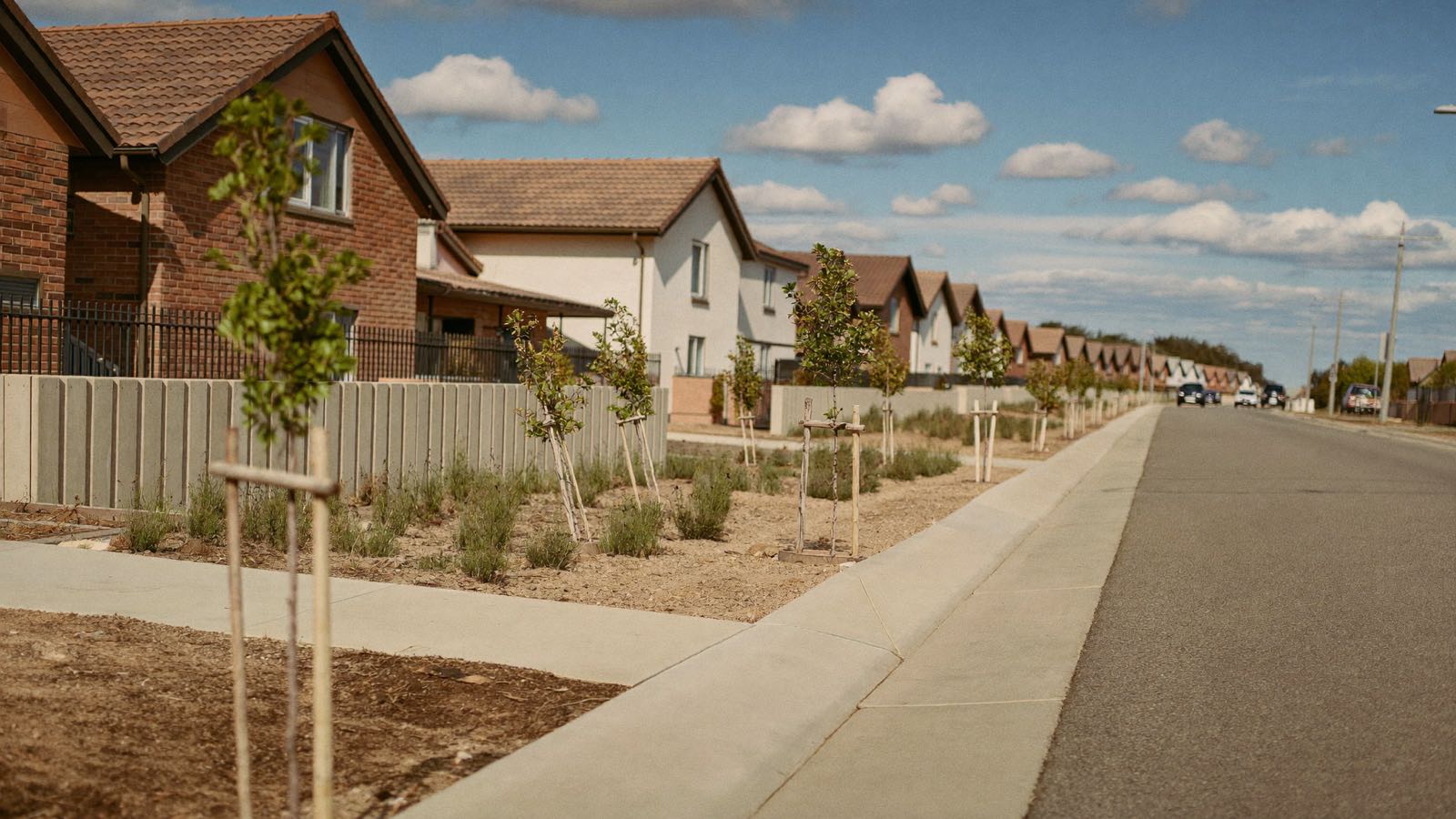
Master-planned estates tend to have wide, continuous footpaths and consistent kerb ramps. They can also strand you without a car. What to check.
Read article -

SIL Handbook Part 8: Staying Involved
After the move, a parent stops being the roster and becomes a parent again. What to hand over, what to keep, and how to stay useful without running the house.
Read article
Let's find your place.
Speak with our team about vacancies, supports or day programs.