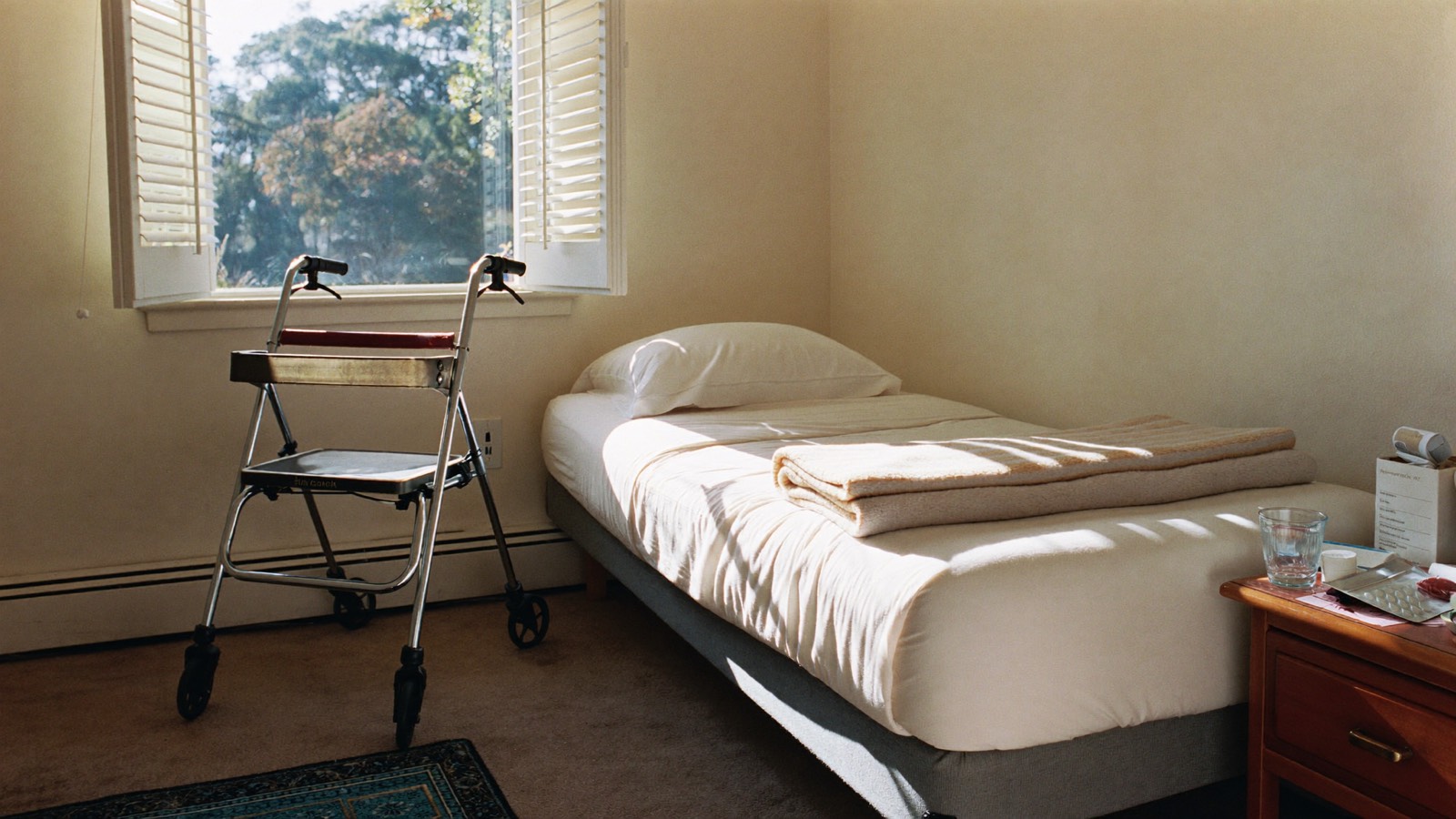
The First Fortnight Home After Hospital
Discharge plans describe the ward, not your house. Here is what usually breaks in the first two weeks at home, and how to get supports moving fast.
4 September, 2026 · 6 min read
The short answer
The first fortnight home is the part of a hospital stay that goes wrong, and it goes wrong for a predictable reason: the discharge plan describes what you needed on a ward with a call bell and a flat floor, not what you need in a house with a step at the back door and nobody in it at 3am.
Two things fix most of it. Get someone to walk your actual house before you leave hospital, and get interim support hours running from day one rather than waiting for a plan change to be approved. Both of those can start while you are still an inpatient.
What changes the moment you get home
In hospital, someone is nearby all the time, meals arrive, and the bathroom is built for the job. At home, none of that is true, and the gap shows up in ordinary tasks rather than dramatic ones.
The usual list: getting off a low lounge, getting into a shower over a bath, managing a new medication schedule without the ward routine, and the stairs or the step nobody thought about because you have lived with it for years.
There is also the part that gets less airtime. Coming home after weeks away is tiring in a way that has nothing to do with the injury or the illness, and the first week is often when a person does too much because the house makes them feel capable again.
Our piece on how NDIS discharge planning works covers the accommodation side, including what happens when going straight home is not realistic. This one is about the fortnight after you get there.
Getting hours running quickly
The mistake is waiting. A plan variation to add hours takes as long as it takes, and the NDIA decides it, not you and not your provider. What you can usually do in the meantime is redirect what you already have.
Start by asking your plan manager or support coordinator what is unspent in Core. Core supports are reasonably flexible between daily living and community access, so a plan that has not been fully drawn down can often cover a short, heavier fortnight without any approval at all.
Ask the hospital social worker or discharge planner to put the recommended supports in writing before you leave, naming the tasks and the frequency. Not "assistance with personal care", but "assistance with showering and dressing, daily, for six weeks, due to reduced shoulder range". That sentence is what a provider rosters against and what supports a later plan variation. Our guide to writing NDIS evidence a planner can use covers the framing.
If the supports needed are clinical rather than everyday, say wound care, PEG feeding or complex bowel care, they sit in a different category with its own worker training requirements. Our explanation of high intensity supports at home sets out who is allowed to deliver them, which matters because it changes how quickly a provider can staff you.
The equipment gap
This is the single most common reason a discharge falls apart in week one. The hospital lends you a frame or a shower stool, the loan runs for a few weeks, and the permanent version has not been assessed, quoted or approved.
Ask two questions before you leave: what is on loan and when does it have to go back, and has an occupational therapist been asked to assess for the permanent equivalent. If the answer to the second is no, that referral is the most urgent thing on your list, because assistive technology sits in Capital funding and runs on its own timeline.
Meanwhile, small things carry a lot of weight. A second bath mat, a raised toilet seat, a chair in the shower, moving the bed to the side of the room with more space to stand up. None of that needs approval and all of it changes week one.
The people to tell
Your support coordinator or plan manager, so the funding side is watched. Your GP, with a copy of the discharge summary in hand rather than assumed to have arrived. Your regular support workers, because a worker who does not know what changed will support you the way they did last month.
If you live in a supported home, tell the house before the day itself, not on it. A returning resident with new equipment, a new medication chart and different transfer needs is a roster change, and rosters are not built in an afternoon.
One more: tell someone who is not paid to be there. The first fortnight is easier when a neighbour or a family member knows you are back.
What a good fortnight looks like
Week one is heavier than you want it to be, deliberately. More hours than you think you need, focused on mornings and evenings, because that is where falls and missed medications happen.
Week two, you take hours out rather than adding them, based on what actually happened rather than what was predicted. Write down what was hard on which day. That record is worth more at a plan reassessment than any general description of how you are managing.
By the end of the fortnight you should know which supports are permanent and which were about recovery. That distinction is the thing the NDIA will ask about, and it is much easier to answer from notes than from memory.
Frequently asked questions
Can NDIS supports start the day I come home from hospital?
They can if a provider has been given notice and has capacity. Ask the discharge planner to contact your provider several days before the discharge date rather than on the day, and confirm the first shift time in writing. Providers roster ahead, so a same-day request is often the reason someone comes home to an empty house.
Who pays for support at home while I recover?
Everyday supports at home are funded from Core supports in your NDIS plan. The NDIS does not fund clinical care that is the health system's responsibility, so post-surgical nursing may sit with the hospital or your GP rather than your plan. If the split is unclear, ask the hospital social worker to state in writing which service is responsible for which task.
What if my plan does not have enough hours for the fortnight?
Ask what is unspent in Core first, because Core is reasonably flexible and a short heavier period can often be absorbed. In parallel, request a plan variation with written evidence naming the tasks, the frequency and the reason. Decisions sit with the NDIA and turn on that evidence, so the letter matters more than the phone call.
How long should the extra support last?
Long enough to find out, which is usually a fortnight rather than a guess made on the ward. Start higher, keep a short daily note of what was difficult, and reduce hours based on that record. It is far easier to hand back hours you did not need than to explain after a fall why you had too few.
Want to talk this through for your situation?
More from the blog.
-

What Does NDIS In-Home Care Cost Per Hour?
There is no single hourly rate for in-home support. Five things move the number, and a good provider will cost your actual week before you sign.
Read article -
How Overnight Support at Home Actually Works
A worker stays in your home through the night, either sleeping and waking when needed or awake the whole shift. Here is what that looks like in practice.
Read article -

What a Provider Report Can and Cannot Say
Ask your provider for a reassessment report and you will get facts about support delivered, not a clinical opinion. Here is why, and how to use it.
Read article
Let's find your place.
Speak with our team about vacancies, supports or day programs.