
Visiting a SIL Home: Questions for the Staff
The most useful answers on a home visit come from the workers on shift, not the person showing you around. Here is what to ask them and what to watch for.
27 August, 2026 · 5 min read
Talk to whoever is on shift, not only the person giving the tour
On a home visit the person walking you through the house is usually from intake or management, and they will answer your questions accurately. They are also not the person who will be in the kitchen at seven on a Tuesday night. The workers on shift are, and five minutes with them tells you things no tour can.
Ask for that time explicitly when you book the visit. A provider comfortable with their own house will say yes without hesitating. Hesitation is itself an answer.
Five questions that earn their keep
Keep them open and about ordinary days. You are listening for detail and ease, not for the right answer.
- How long have you worked in this house? Not how long with the provider. Continuity in a specific house is what makes support feel like support rather than a series of strangers.
- What does a Sunday look like here? Weekdays are structured by day programs and appointments. Weekends show you what the house is actually like when nothing is scheduled.
- Who is on overnight, and what do they do? A worker who describes the night honestly, including that they sleep when the house is settled, is telling you the truth. Vagueness here matters more than anywhere else.
- What happens when two people want different things? Every shared house has this. Listen for a real example rather than a policy sentence.
- What has changed here in the last six months? A house where nothing has changed is either very settled or nobody is paying attention.
Watch the room while they answer
The answers matter less than the setting they are given in. Does a worker greet the residents by name as they pass and get an easy response back? Is the fridge full of food people actually chose, or catering-sized everything? Is there personal clutter in the living areas, photos, a half-finished puzzle, someone's shoes by the door, or has the place been staged for you?
Look at the whiteboard or the routine chart if there is one, and see whether it is current. A meal plan three weeks out of date says something about the week, not about the wall. Watch whether workers move around the house like people who live there half their waking life, or like visitors themselves.
And notice how the residents respond to you. Not everyone will want to talk, and nobody is obliged to. But a house where the worker says "do you mind if I ask Sam whether he's happy to say hello" is a house that asks permission when you are not standing there.
The questions that belong in the office, not the kitchen
Some things are unfair to put to a worker on shift and belong with the provider. Rent and board arrangements, notice periods, the service agreement, the vacancy process, staffing ratios and how a complaint is handled are all management questions, and a worker guessing at them will give you an answer you should not rely on.
Our questions to ask a SIL provider before you sign covers that side of it, and how to prepare for a first home visit is worth reading the night before. Keeping the two lists separate sounds fussy, and it stops you spending your one visit asking the wrong people about contracts.
Go twice if you can
One visit is a snapshot, and a scheduled one at that. If a house is a serious contender, ask to come back at a different time of day, ideally an evening or a weekend and ideally with a different team on shift. Two visits at different times tell you more than three at the same time.
You can see which of our homes currently have room on the find a home page. If a house looks close but not right, say so plainly. Providers would rather know in week one than in month six.
Frequently asked questions
Am I allowed to talk to support workers during a visit?
Yes, and it is a reasonable thing to ask for when you book. Workers cannot discuss other residents' personal information, and they should not be asked to, but they can talk about routines, shifts, how the house runs and what a normal day looks like. If a provider will not allow any contact with the people who actually work in the house, treat that as information about the provider.
What if the residents do not want to meet me?
That is their home and their call, and a provider protecting it is showing you the behaviour you want when your own family member lives there. You can still learn plenty from the shared spaces, the routines and the staff. If a house makes residents perform for every visitor, ask how that will feel from the other side.
How many homes should we look at?
Two or three genuine contenders is usually enough to calibrate, and more than that tends to blur rather than clarify. What matters more than the number is seeing at least one of them twice, at a different time of day and with a different team on shift, because that is where the difference between a good tour and a good house shows up.
Should the person moving in come to the first visit?
Usually yes, if they want to, because their reaction to a house is the most useful information available and it is often immediate. Some families prefer a first look alone to filter out obvious mismatches, then bring the person to the shortlist. Either approach is defensible. Deciding entirely without them and presenting the house as settled is the one that does not work.
Want to talk this through for your situation?
More from the blog.
-

A Weekend in Goulburn: Getting Out and About
Goulburn is small enough to cross in ten minutes, which changes what a weekend can look like. Parks, the pool, Auburn Street and getting there.
Read article -
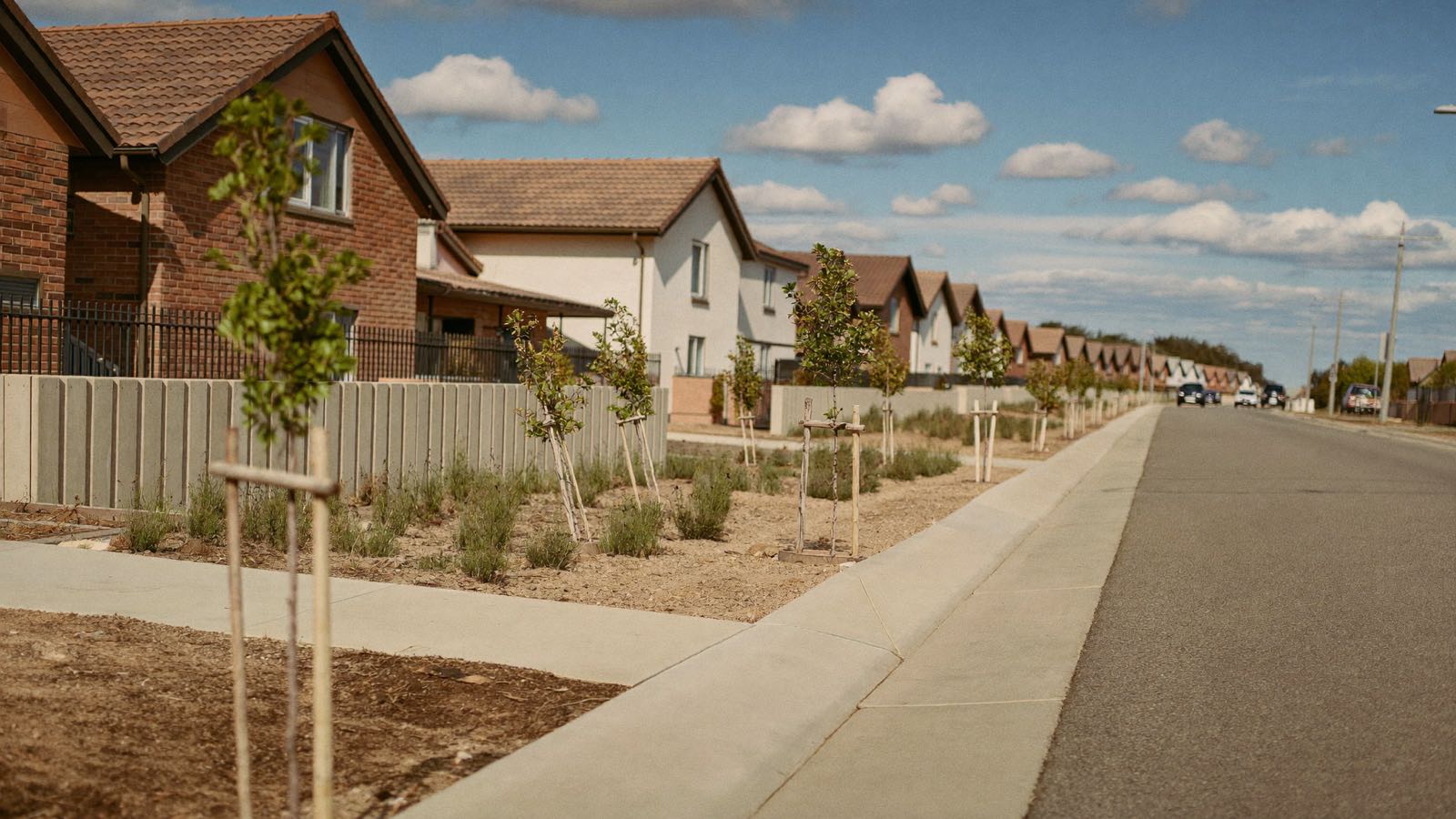
Why Newer Suburbs Are Often Easier to Get Around
Master-planned estates tend to have wide, continuous footpaths and consistent kerb ramps. They can also strand you without a car. What to check.
Read article -

How to Write NDIS Evidence a Planner Can Use
Good NDIS evidence describes function, frequency and consequence in plain sentences. Here is a checklist for building a file a planner can actually work from.
Read article
Let's find your place.
Speak with our team about vacancies, supports or day programs.