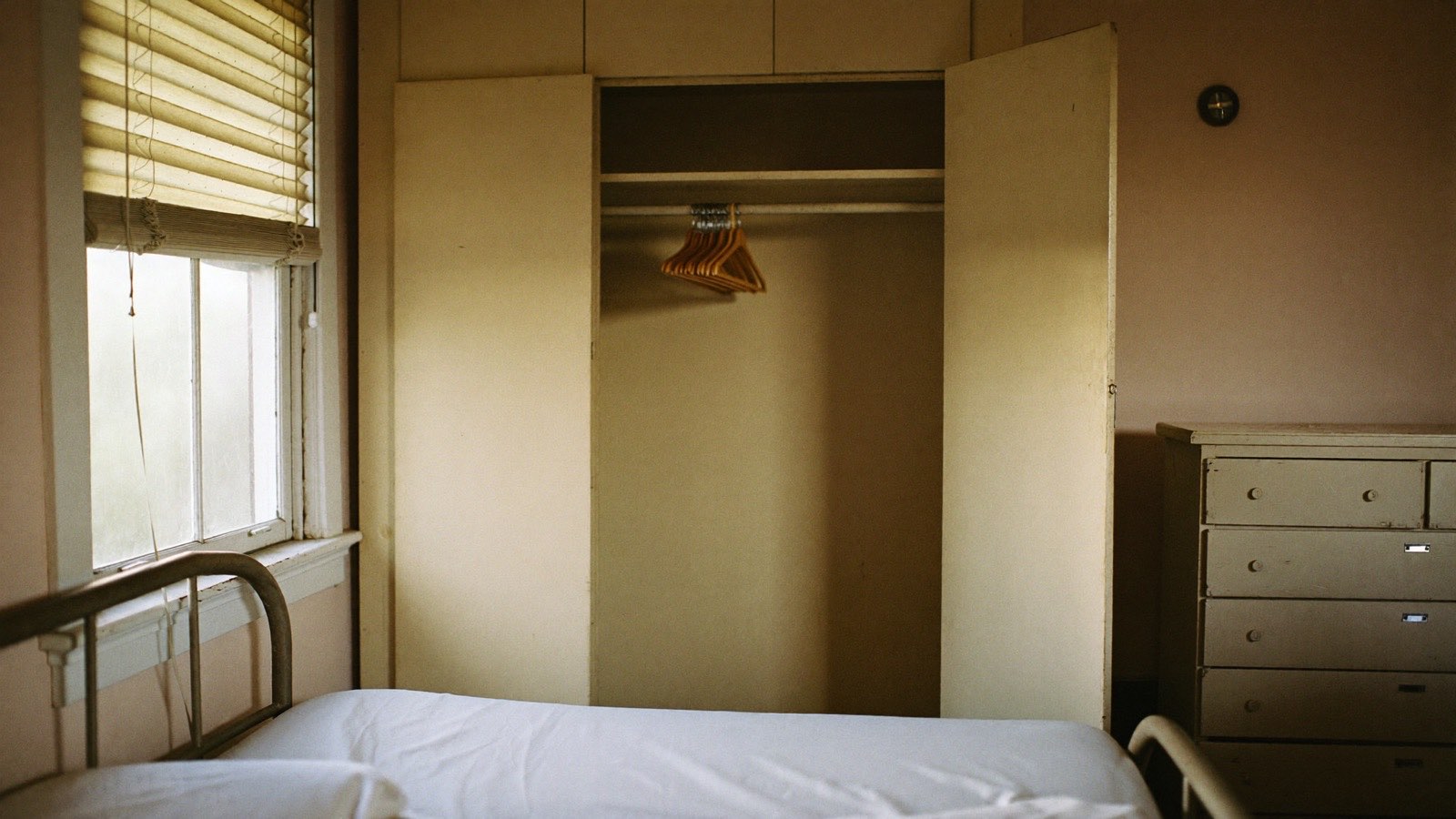
What a SIL Vacancy Listing Really Tells You
A SIL vacancy is one bedroom in a house that already has people in it. Here is what a listing tells you, and the four things it never says.
1 September, 2026 · 6 min read
A vacancy is a room, in a house, with people already in it
A Supported Independent Living vacancy is one bedroom in one house, in a group of people who already live there and already have a routine. That is the whole of what is being advertised. It is not a place on a service, not a waiting list position, and not a general offer of support. If you read nothing else about vacancy listings, read them as rooms rather than as services and most of the confusion goes away.
This matters because the room is the smallest part of the decision. The house has a shape already: who is up early, who watches television loudly, who has visitors on Sundays, which worker does the Thursday shift. A vacancy listing describes a bedroom and a suburb. The thing you are actually choosing is a household.
What a listing does tell you, and how to read each part
Most listings carry the same handful of facts, and each one is worth translating.
The suburb and the street type. This sets travel, shops, health services and how much of the week needs a car. Our own listings on the find a home page spell out distances to stations and hospitals for exactly that reason, because a home 4km from a station is a different life from one 1.4km away.
Whether the dwelling is SDA enrolled. Specialist Disability Accommodation is a payment for the building, made to whoever owns it. Supported Independent Living is a payment for the staffing. A house can have one, the other, or both, and the listing should say which. If you are still untangling those two, the difference between SIL and SDA is the place to start.
The SDA design category, if there is one. The four categories, Improved Liveability, Fully Accessible, High Physical Support and Robust, describe how the house is built, not how much support is delivered in it. A Fully Accessible bathroom does not tell you whether anyone is awake at 2am.
The number of residents. Two, three, four or five changes almost everything about the noise, the ratios and the cost of the support. A five-bedroom house is not a bigger version of a three-bedroom house.
The date the room is available. Read this one as a signal, not just a diary entry. A room available immediately might mean a new house opening, or it might mean somebody left in a hurry.
The four things a listing almost never says
Who lives there now, and what their days need. Providers cannot publish other residents' support needs, and should not. So the single most important compatibility question is missing from every listing by design. You get it by visiting and by asking, not by reading.
What happens overnight. Active overnight support, where a worker is awake, and a sleepover arrangement, where a worker sleeps and is available if needed, are different levels of cover and different money. Listings rarely distinguish them. Ask directly which one applies to the house and to the person in the room next to you.
Who the landlord is. In many houses the support provider is not the owner. Sometimes it is. It changes what happens if the support arrangement ends, and it deserves a plain answer.
How long the room has been listed. A room that has been empty for eight months is telling you something, though not always something bad. It might be a poor match for the people who have looked at it, or it might just be a quiet part of the market.
Why two houses with the same listing cost different amounts
The support cost in a SIL house is built from a roster of care, which is a table of one typical week: who is on shift, at what times, at what ratio, and what the overnight arrangement is. The NDIA prices it using the NDIS Pricing Arrangements and Price Limits, so the same bedroom in two different households can carry very different stated SIL amounts because the households need different rosters.
Separately from support, residents pay their own everyday living costs: rent or a board arrangement, food, utilities and their share of the household. That money comes out of a person's own income, not their plan. The structure is the same everywhere; the amounts are not, and any provider should be able to put theirs in writing before you commit to anything.
Five questions to ask before you book a visit
You can save a wasted Saturday with a phone call. Ask how many people live in the house and their broad age range. Ask what the overnight arrangement is, in those words. Ask whether the dwelling is SDA enrolled and who owns it. Ask what a Tuesday looks like in the house, which gets you a real answer where "tell me about the residents" gets you a careful one. Ask why the room is available.
If the answers hold up, go and see it, and then go back a second time at a different hour of the day. Comparing two homes properly is mostly a matter of visiting each one twice and writing things down between visits, because after four houses they blur.
Frequently asked questions
What does a SIL vacancy actually mean?
It means one bedroom is available in a house where Supported Independent Living is already being delivered, with people already living there. It is an advertisement for a room in an existing household, not an offer of a support package on its own. The support arrangement for the person moving in is worked out separately, based on their own plan and needs.
Does a SIL vacancy include the rent?
No. Supported Independent Living funding pays for support staff. Rent or board, food, utilities and other everyday living costs are paid by the resident from their own income, in the same way any tenant pays them. If the dwelling is Specialist Disability Accommodation, that payment is a separate one for the building itself and does not replace the resident's rent contribution.
Can I move into a SIL house without SDA funding?
Yes. SDA and SIL are two different payments and many supported homes are ordinary rental houses with no SDA enrolment at all. SDA is for dwellings built or modified for very high needs, and it has its own eligibility test. Whether you need it depends on the housing, not on whether you need support.
How do I know if the housemates will suit me?
You cannot tell from a listing, because other residents' support needs are private. Ask the provider what the household's rhythm is like, visit more than once and at different times of day, and if possible meet the people who already live there. A short overnight or daytime trial, where the provider offers one, tells you more than any conversation.
Want to talk this through for your situation?
More from the blog.
-

Overnight Support in a Shared SIL Home
In a shared home one worker usually covers the whole house overnight. The questions that matter are who is awake, for how many people, and what happens at 3am.
Read article -

What Happens to SIL Funding at Reassessment?
SIL funding is not renewed automatically. The roster of care is re-quoted and the NDIA decides again. Here is what gets reviewed and how to prepare for it.
Read article -
What to Check About the Street Before You Move In
Most of the decision is outside the house. Footpaths, bus stops, the shops you can reach alone: what to walk and check before you accept a room.
Read article
Let's find your place.
Speak with our team about vacancies, supports or day programs.